Where Should Transport Trolleys, Machine Skates, and Beam Trolleys Be Used?
The biggest logistics dilemma encountered in the layout planning and maintenance processes of industrial production facilities is the time losses and occupational safety risks caused by the inability to select equipment suitable for the physical characteristics of the load and the plane on which it will be transferred. Moving a workbench versus transferring a part on the production line to the next station requires completely different mechanical principles. Correct equipment choice shortens installation time. It lowers maintenance costs. It speeds up the workflow. In this guide, we examined the technical differences and ideal usage scenarios of transport trolley, machine skate, and beam trolley systems moving on the floor and in the air.
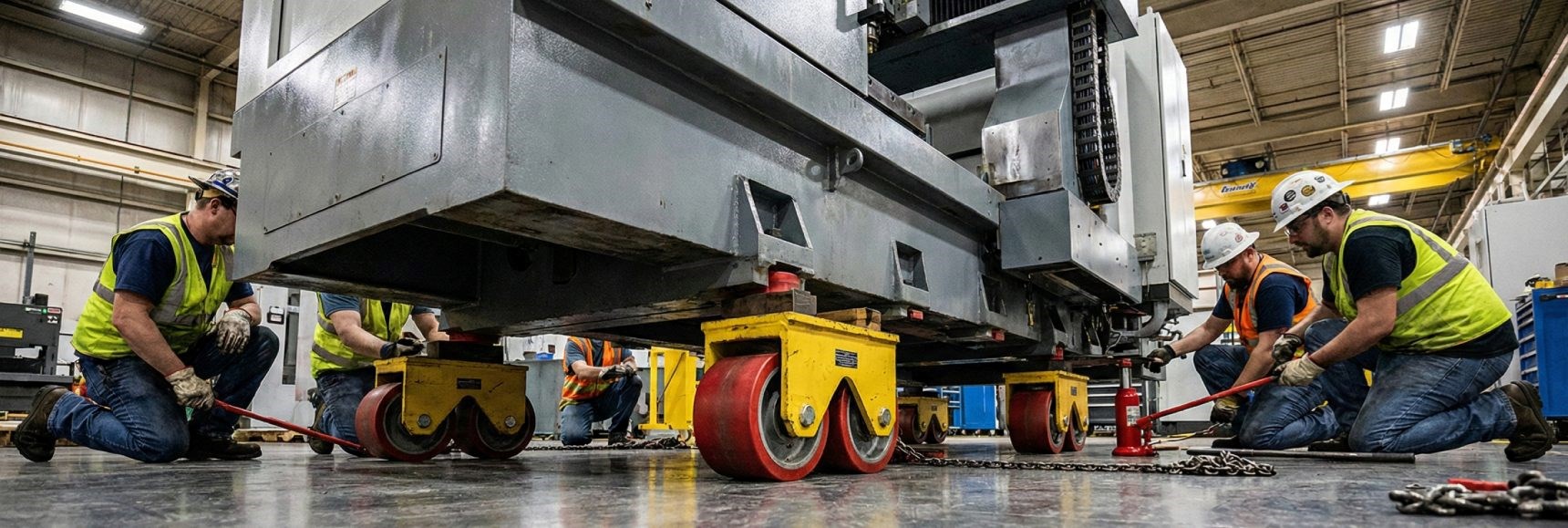
Machine skate sets, also known as "load skates" in industrial literature, which enable tons of heavy CNC benches, presses, or injection machines to be moved on the floor, are heavy-duty equipment that minimizes the risk of tipping by keeping the center of gravity of the load close to the ground thanks to their very low profile structures and high-strength steel rollers. It cuts the load millimeters from the ground. It eliminates friction. Tons of load become pushable by human power.
Floor Type and Maneuverability
For these equipment to work efficiently, the floor must be smooth, crack-free, and usually epoxy or polished concrete; otherwise, steel or polyurethane wheels may get stuck in floor irregularities, restricting mobility and disrupting the balance of the load. Models with turntables provide steering. Rear sets follow rigidly. Steel plates should be laid on uneven floors. It is the safest floor solution for heavy loads.
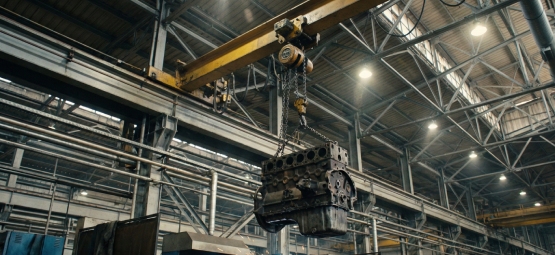
In cases where it is not possible for the load to contact the ground or the machinery park on the floor does not allow passage, beam trolley systems moving on I-profile (NPI/IPE) rails mounted on the ceiling are mechanical or electric travel groups that work integrated with a hoist to transfer material in the air on the "X" axis. It is not affected by floor traffic. It provides maximum access in tight spaces. It lifts the load up and carries it horizontally.
Difference Between Manual and Geared Models
While manual trolleys where the operator moves the load by pushing are ideal for light tonnage and short-distance jobs, geared (chain) trolleys allow the operator to advance the load in a controlled manner by pulling the hanging chain in high-ceilinged businesses. Electric models gain speed in mass production. The rail size must match the wheel spacing. Bearing quality softens the movement.
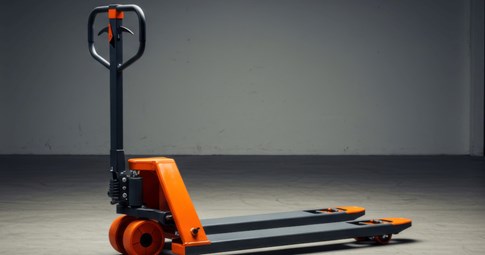
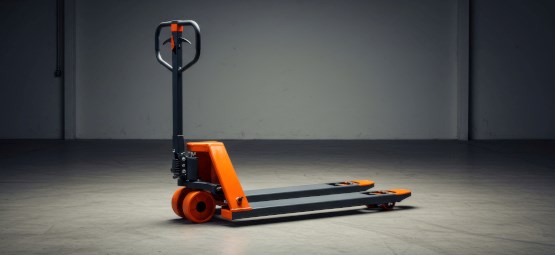
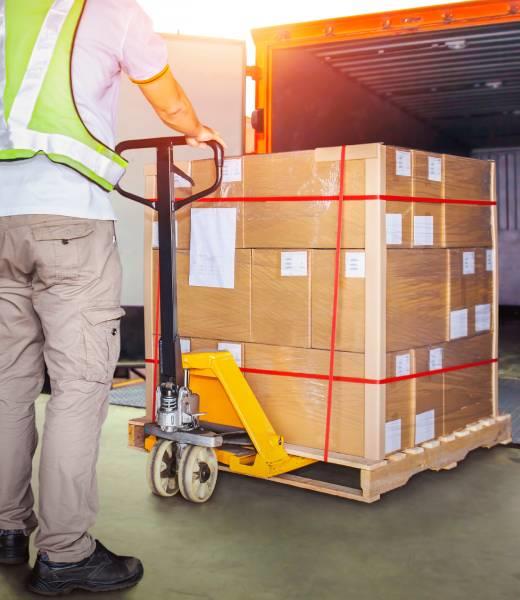
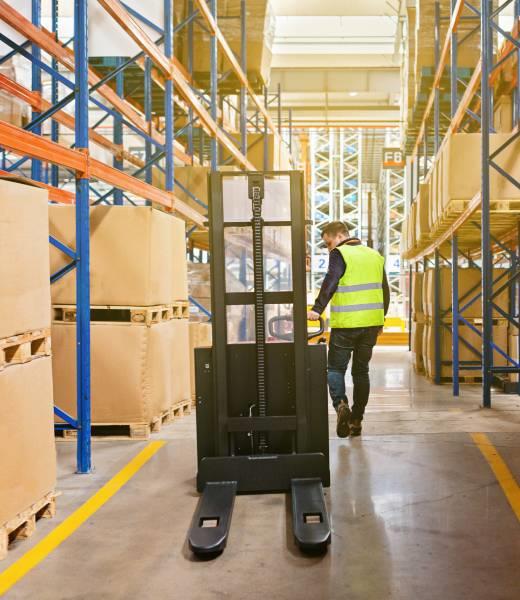
When semi-finished products, boxed products, or maintenance equipment need to be quickly transferred between stations within the production site, platform-type or caged transport trolley models are the indispensable light logistics vehicles of daily operations with their highly maneuverable wheel structures and ergonomic handles. Load capacity is generally between 150 kg and 1000 kg. Suitable for carrying crates and boxes. Silent wheels prevent noise. The brake mechanism is safe on inclined ground.
|
Feature |
Machine Skate (Domuz Arabası) |
Beam Trolley (Şaryo) |
Transport Trolley |
|
Movement Plane |
Floor (Heavy Load) |
Ceiling (On Rail) |
Floor (Light Load) |
|
Load Capacity |
6 Ton - 24 Ton+ |
500 kg - 10 Ton+ |
150 kg - 1 Ton |
|
Primary Use |
Machine installation, relocation |
Assembly line, mold transport |
Box, part, tool transport |
|
Required Surface |
Smooth Concrete / Epoxy |
I-Beam Rail (Ceiling) |
Concrete, Asphalt, Tile |
|
Power Source |
Push / Pull (Manual/Forklift) |
Manual / Electric |
Manual Push |
In which situation should you use which equipment? Here are examples from the field:
Scenario: New CNC Machine Arrived
- Situation: An 8-ton machine was unloaded from the truck, it will be placed inside the factory.
- Solution: Machine Skate. The machine is lifted with jacks, machine skates are driven under it, and it is slid to the desired point.
Scenario: Motor Assembly Line
- Situation: The engine block must be transported from one station to another through the air.
- Solution: Beam Trolley. With a beam trolley attached to the ceiling rail and a hoist hanging under it, the engine block is transported through the air without being affected by the crowd on the ground.
Scenario: Screw Box Shipment from Warehouse to Production.
- Situation: 20 boxes of bolts will go to the assembly table.
- Solution: Transport Trolley. Boxes are loaded onto the platform and pushed by personnel manually.
Correct transport equipment usage minimizes the "preparation" phase, which is the biggest time loss for the maintenance team. Using a hoist and beam trolley to dismantle a malfunctioning motor from the line saves 80% time compared to the manual lifting effort. Using machine skates to change machine layout prevents floor damage and eliminates rental crane costs. Paftar offers certified and tested products in heavy load transport groups. It minimizes your occupational safety risks while increasing your operational speed.