More Storage in the Same Square Footage: Space Saving Strategies with Stackers
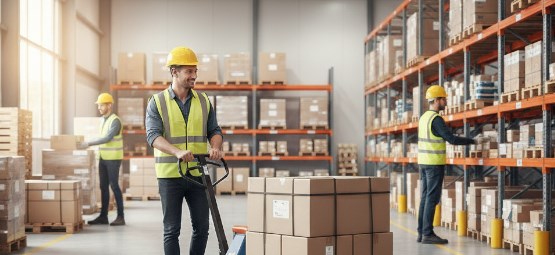
Rising real estate and rental costs have made expanding warehouse space one of the most expensive investment items for logistics and production facilities today. While "moving to a larger warehouse" is the first solution that comes to mind when your business volume grows, the most rational and profitable strategy is to use the existing square footage with maximum efficiency.
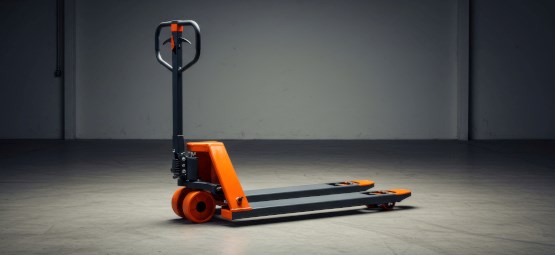
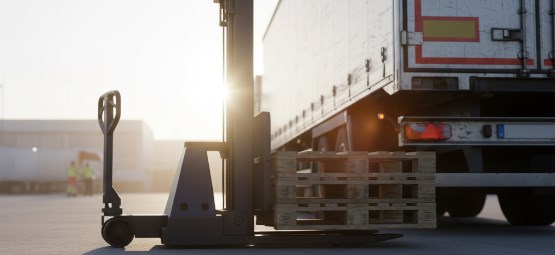
The formula to increase warehouse capacity by 30% to 50% without physically expanding it lies in using "volume," not floor space. The leading actor at the center of this volumetric optimization is a highly maneuverable stacker model. So, how do you fit more pallets into the same square footage with the right equipment?
1. Grow Towards the Sky, Not the Ground (Vertical Storage)
The capacity of a warehouse should be measured not only by floor area (square meters) but also by ceiling height (cubic meters). If you are only placing pallets on the floor or single-level racks, you are wasting the massive empty space at the top of your warehouse—which means you are wasting your money.
Transitioning to a vertical storage strategy requires installing multi-level rack systems. However, to safely reach these high racks, a machine suitable for the height capacity is essential. To determine the most suitable mast system (triplex, duplex, etc.) for the ceiling height of your facility and the number of levels of the rack system you will install, you can examine the engineering criteria in our stacker selection based on warehouse rack height: battery and electric guide article.
2. Add New Rack Rows by Narrowing Aisle Widths (AST)
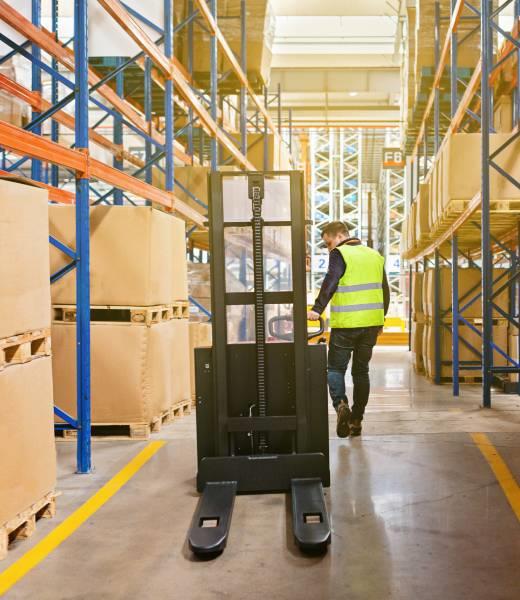
The biggest loss in warehouse space optimization is the unnecessarily wide working aisles (AST - Aisle Space Width) left for machines to turn.
-
Standard Forklift Usage: For a classic forklift to make a full turn with a pallet and leave the load on the rack, the aisle width generally needs to be around 3.5 to 4 meters.
-
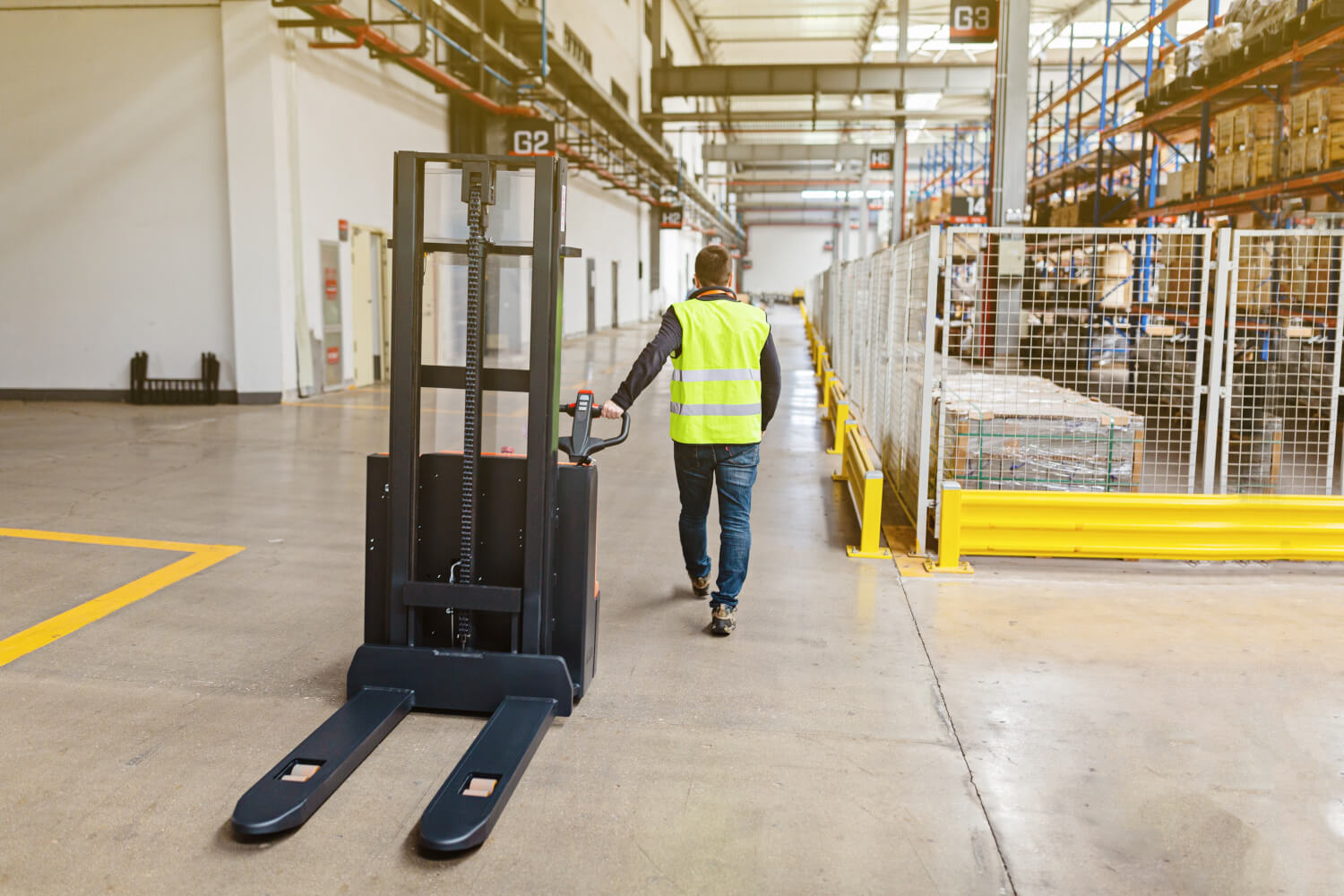
Stacker Usage: A pedestrian-controlled stacker with a compact chassis can easily perform the same operation in narrow aisles of only 2 to 2.5 meters.
When these average 1.5-meter gaps you gain from each aisle come together, it allows you to add an extra 1 or 2 new rack rows end-to-end in your warehouse. This means thousands of pallets of extra capacity within the same building.
3. Balancing Rental Costs with Equipment Investment
When you add up the deposit brought by moving to a new warehouse, high rent, business loss during the move, and new rack installation costs, a massive budget emerges. Instead, redesigning your existing space according to the narrow aisle system and buying modern equipment is a strategy that amortizes its return on investment (ROI) within months. To manage your budget correctly while planning this transformation, you can take a look at our factors determining electric stacker prices content to see how different hardware affects the price.
4. Scratch Optimization in New Warehouse Design
If you are setting up a new facility from scratch instead of improving an existing warehouse, the biggest mistake is setting up the racks first and then looking for a machine to fit in between. In modern warehouse design, the rack system and equipment are planned simultaneously. To build a flawless operation flow from the first pallet truck entering the door of your facility to the stacker reaching the top rack, you should follow our warehouse lifting equipment planning guide instructions.
In conclusion; you cannot push the walls of your warehouse outward, but with the right stacker, you can raise your racks upward and narrow your aisles. Gaining space is not just a square meter calculation, but an engineering vision that can be solved with the right equipment.