Turkish Companies Are Creating Their Own Brand of Quality & Reliability – “Made in Turkey”
- A Quiet Shift With Loud Results
- Made in Turkey Now Means Something Else Entirely
- From Local Factories To Global Product Studios
- Three Companies Redefining the Label
- The Talent Triangle: Engineering, Design and Digital Production
- What “Made in Turkey” Really Means Now
- Frequently Asked Questions (FAQ)
Every now and then, a country evolves in such a subtle way that people barely notice what’s happening. And then, suddenly, you look back and think, wait… how did things change this fast? Turkey’s industrial story sits exactly there. Once viewed mainly as a regional manufacturing base, the country has stepped into a much bigger arena - one that blends design, engineering and tech-driven production in a surprisingly confident way.
This shift didn’t come from a single moment. It came from years of building, refining, mixing old craftsmanship with new ideas and, frankly, refusing to settle for “good enough.” So when people abroad now say “Made in Turkey” with a certain trust in their voice, it’s not a coincidence. It’s the result of thousands of teams, big and small, shaping a new meaning for a label that used to be purely about origin.
For decades, the phrase “Made in Turkey” meant volume. It meant factories, exports, and reliability, yes, but mostly in the practical sense. Today, the meaning is broader - and sharper.
The label quietly signals qualities like:
-
consistent engineering know-how,
-
design that feels both practical and stylish,
-
and production that leans more into digital tools, cleaner energy, and modern processes.
There’s also a cultural element forming around the phrase. “Made in Turkey” increasingly stands for creativity, boldness, and a certain get-it-done attitude. You can see it in industrial machines just as clearly as you see it in electronics, or even new digital products built by Turkish teams.
So, the label isn’t just a tag on a box. It’s becoming a shorthand for trust - and sometimes even a pleasant surprise. And that’s pretty remarkable, give or take.
Historically, Turkey built things for others. It produced at scale for global brands and kept the engines running behind the scenes. But now? Now the story is different. Modern Turkish companies design, develop, brand, and export their own ideas.
You might walk through an industrial zone in Bursa and see an automated line run almost entirely by smart sensors. Then you might visit a design studio in Istanbul where teams sketch out new products that blend simplicity with a slightly daring tone. Or you might find yourself in an R&D center in Manisa, where software engineers and mechanical engineers argue (nicely) about a new product concept.
These are no longer “factory-first” environments. They’re innovation hubs.
Below are three examples that show how far this transformation has gone.
Paftar – Raising the Bar in Material Handling
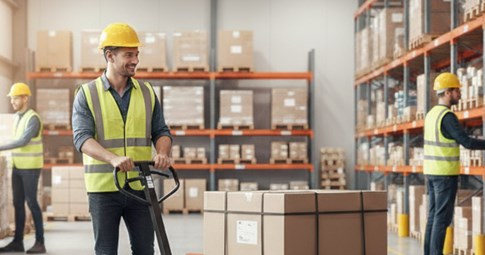
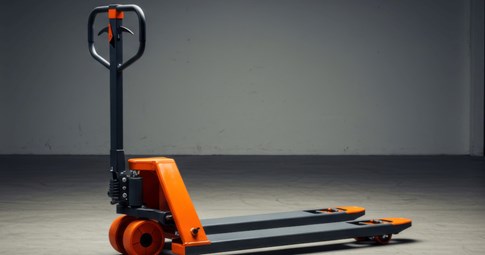
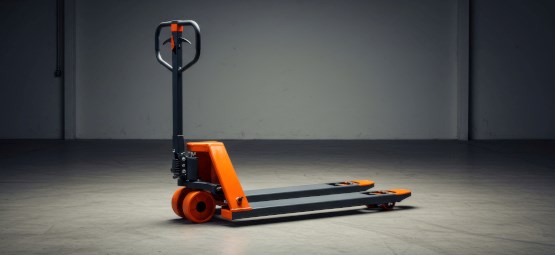
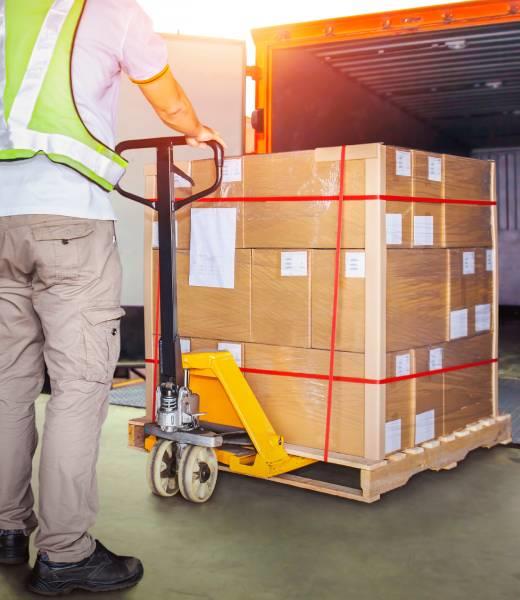
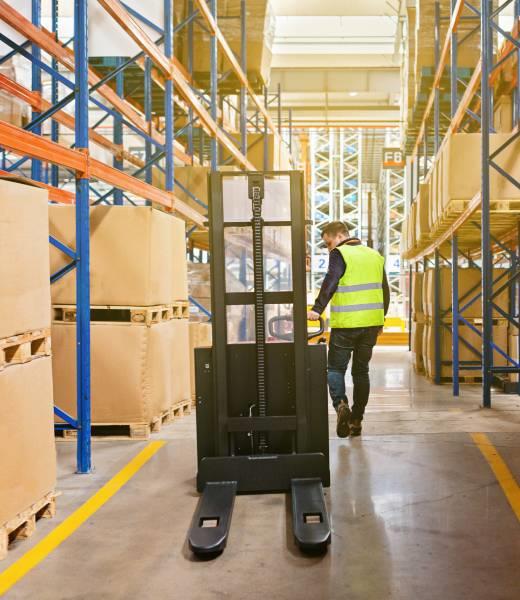
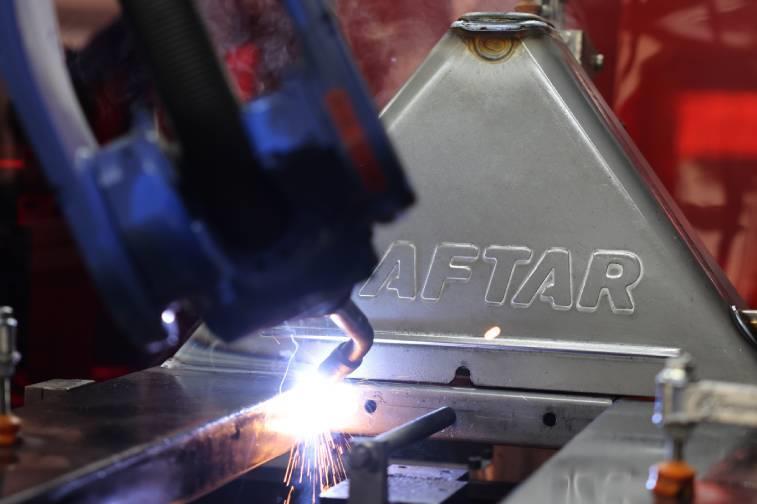
Paftar represents the new face of Turkish industrial capability. The company designs and manufactures pallet trucks, lifting systems, and warehouse equipment that combine good engineering with ergonomic insight. You can tell when a company has a genuine point of view, and Paftar has it.
It’s not just “another machine manufacturer.” It’s a symbol of how Turkey now builds for itself - with confidence, precision, and a bit of its own personality. Paftar’s equipment is used not only inside Turkey but also abroad, proving that the country’s industrial independence is strengthening.
There’s a quiet ambition here: create things locally, refine them locally, and send them out into the world without hesitation.
Arçelik – A Pioneer in Sustainability and Smart Living
Arçelik is one of the most internationally recognized companies Turkey has produced. Operating in over 150 countries through brands like Beko and Grundig, Arçelik has built a reputation around themes that matter today: sustainability, smart home solutions, energy efficiency and long-term responsibility.
What makes Arçelik particularly interesting is its ability to balance corporate scale with environmental commitment. Its factories have achieved notable milestones in carbon neutrality, renewable energy use, and waste reduction. So, when analysts describe Arçelik as an example of “responsible economic growth,” they’re not exaggerating.
Its innovations aren’t just about high-tech convenience. They’re tied to the idea of producing better, not just more.
Vestel – A Research-Driven Powerhouse
Vestel is another name that consistently pushes boundaries. Known for electronics, white goods and digital technologies, the company has invested heavily in automation, product development and design-focused innovation.
With exports reaching more than 150 countries, Vestel shows that Turkish engineering is no longer a local phenomenon. The company’s approach mixes meticulous testing (sometimes surprisingly meticulous), automation-heavy plants, and fast prototyping that lets them compete globally on both speed and quality.
If Paftar shows industrial strength and Arçelik shows sustainable progress, Vestel showcases digital-forward thinking - the kind of approach that turns manufacturing into something smarter, cleaner and more adaptive.
Turkey’s modern industrial shift rests on three interconnected strengths:
1. Deep Experience in Engineering
Decades of manufacturing experience have created a strong technical foundation. Even when machines get smarter and lines become automated, the human expertise behind them remains crucial.
2. A Mixed but Refreshing Design Language
Turkish design sits in a unique place. There’s a hint of Eastern imagination, some European minimalism, and a practical streak shaped by the realities of daily use. Sometimes the mix feels a bit accidental, but in the best way… like a recipe that shouldn’t work but absolutely does.
3. A Digital, Cleaner Production Mindset
AI-assisted production, energy efficiency goals, recycling-oriented material choices and automation are no longer “future plans.” They’re already happening in many factories. Some production floors look so advanced that a visitor might pause and think: “Is this really here?”
When these three elements overlap, Turkish brands step out of the old role of contract manufacturer and step into something more expressive: a national industrial identity.
The label has evolved. Today, “Made in Turkey” signals a transition from producing for others to creating for oneself. It reflects independence, creativity, and resilience shaped by local talent and global ambition.
It also represents a shift in mindset. Instead of trying to mimic global competitors, Turkish companies are building their own standards. And surprisingly, this approach is generating results far beyond expectations.
The next chapters of this story will come from smart factories, bold design studios, flexible R&D labs and teams that aren’t afraid to merge tradition with modern engineering.
Anyway, back to the main point…
“Made in Turkey” is turning into a global brand on its own.
A brand shaped by craftsmanship, sustainable thinking and a growing confidence that Turkish companies truly belong on the world stage.
Why has “Made in Turkey” become more notable recently?
Because Turkish companies have shifted from purely manufacturing to designing and innovating. They now offer products that feel modern, efficient and globally competitive.
Do Turkish brands really compete with major global players?
They do. Companies like Arçelik, Vestel and Paftar deliver technology, durability and design that match international expectations - sometimes even exceeding them.
Why do Turkish manufacturers invest so much in design now?
Because design shapes the user experience as much as function. It creates emotional value and helps brands stand out in crowded global markets.
What advantage does Turkey have in industrial equipment and electronics?
A strong engineering base, competitive costs, flexible production and a growing digital mindset. This combination lets companies innovate quickly without losing quality.