Same Warehouse, Different Yield: How Do Operation Times Decrease by 30% with the Right Pallet Truck?
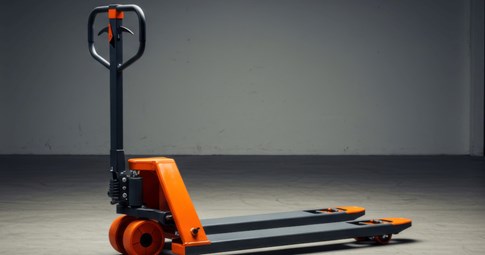
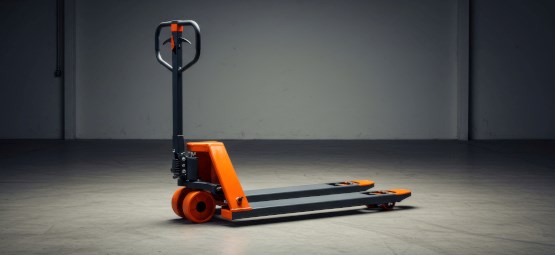
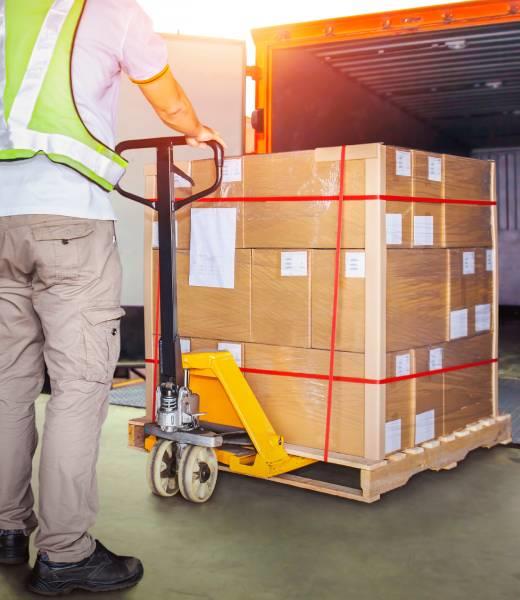
Two different logistics facilities with the exact same physical conditions, square footage, and rack layouts can have a massive gap in their daily shipping capacities. The biggest secret behind this "yield difference" is whether the equipment used in horizontal transport operations is chosen correctly. Did you know that just changing a pallet truck can reduce in-warehouse transfer times by an average of 30% and bring errors due to operator fatigue close to zero? The right equipment investment, which is at the center of the strategy for accelerating warehouse processes, ensures much more pallet mobility within the same working hours.
2. "Right Pallet Truck" Criteria That Cut Operation Times by 30%
Choosing the right pallet truck is not just about buying the most expensive machine; it is about finding the solution that best fits the physical dynamics and load profile of your warehouse.
1. Pedestrian Type Based on Transfer Distance
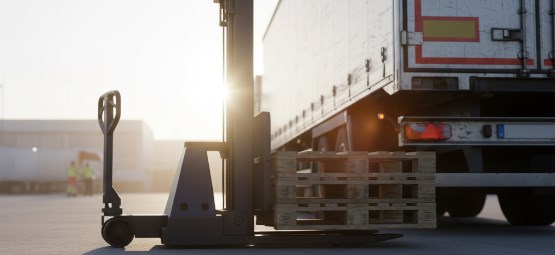
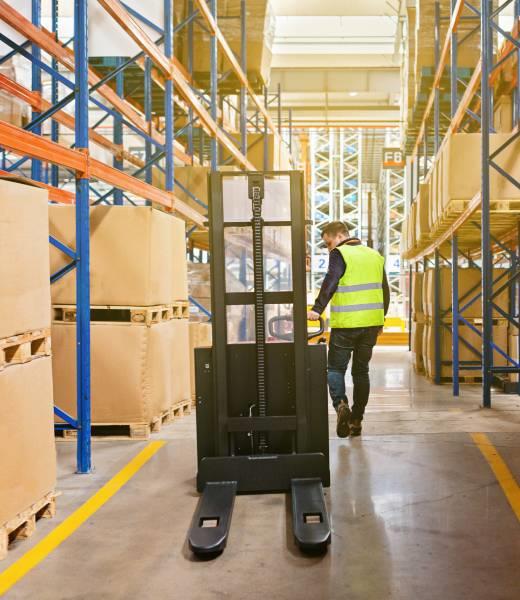
If the distance between the receiving area where the loads are taken and the racks or shipping ramp is more than 30 meters, pedestrian-controlled battery-powered pallet trucks save time. If the distance exceeds 50 meters, "platform (foldable step) battery-powered pallet trucks" that the operator rides on should be preferred. These models peak the pallet truck efficiency metric by reducing inter-aisle transitions to seconds.
2. Energy Management Based on Intensity
If you have a multi-shift warehouse operating uninterruptedly, models with lithium-ion batteries that can fast charge or allow opportunity charging ensure operational continuity by eliminating the idle time the machine spends at the charging station.
3. Fork Structure Suitable for Floor and Pallet Type
If closed and narrow pallets are used, low-profile pallet trucks should be selected; if there are sloped floors or ramps, motorized models with a strong braking system and high climbing ability should be chosen.
3. Next Steps for Holistic Warehouse Operation Management
After maximizing your efficiency in horizontal transport (pallet truck), it is crucial not to lose this gained speed in vertical stacking (placing on racks). To optimize your warehouse's vertical mobility and see the advantages of transitioning from manual systems to motorized systems, you can review our manual vs. battery stacker comparison for low volume article.
If you are setting up your warehouse from scratch or completely revising it, our new warehouse setup equipment planning order guide, which explains the hierarchy in which the entire machinery park from pallet trucks to stackers and personnel lifts should be purchased, will help you direct your budget in the most accurate way.
The right equipment is not an expense item; it is the most powerful investment tool that increases business volume without physically expanding the capacity of your warehouse.