Manlift Rental Guide: Safe and Efficient Access Planning
- Manlift Rental Companies Manual: A Practical Reference for Safe Access
- What Is a Manlift and Where Is It Used?
- Common Manlift Types
- Why Businesses Choose Manlift Rentals
- What To Consider When Renting a Manlift
- Manlift Rental Categories in Turkey
- Choosing the Right Manlift for Your Work Environment
- Best Practices for Safe and Efficient Operation
- FAQ
Accessing elevated work areas requires equipment that meets both safety and operational needs. Manlift rental companies play a central role here, especially for businesses that need flexible access solutions without investing in a permanent fleet. This manual brings together the essential points: equipment types, selection criteria, and practical steps that support safe and efficient field operations.
A manlift is an elevated working platform designed to lift personnel or materials to a higher location. Although the mechanism varies by model, their primary purpose remains consistent: providing controlled and stable access to elevated work zones.
Manlifts are commonly used in:
-
Construction and renovation work
-
Facility and building maintenance
-
Warehouse operations
-
Industrial production environments
-
Signage and advertising installations
Below is a basic overview of the most frequently rented manlift categories.
Scissor Lifts
Scissor lifts are mainly used for vertical access on stable indoor or outdoor surfaces. Their lifting pattern makes them suitable for tasks that require a straight, vertical reach and a platform large enough for multiple workers.
Articulated Boom Lifts
Articulated boom lifts offer flexibility thanks to their jointed arm structure, allowing the operator to reach over obstacles or into confined spaces. These lifts are widely preferred in maintenance operations where access angles vary.
Telescopic Boom Lifts
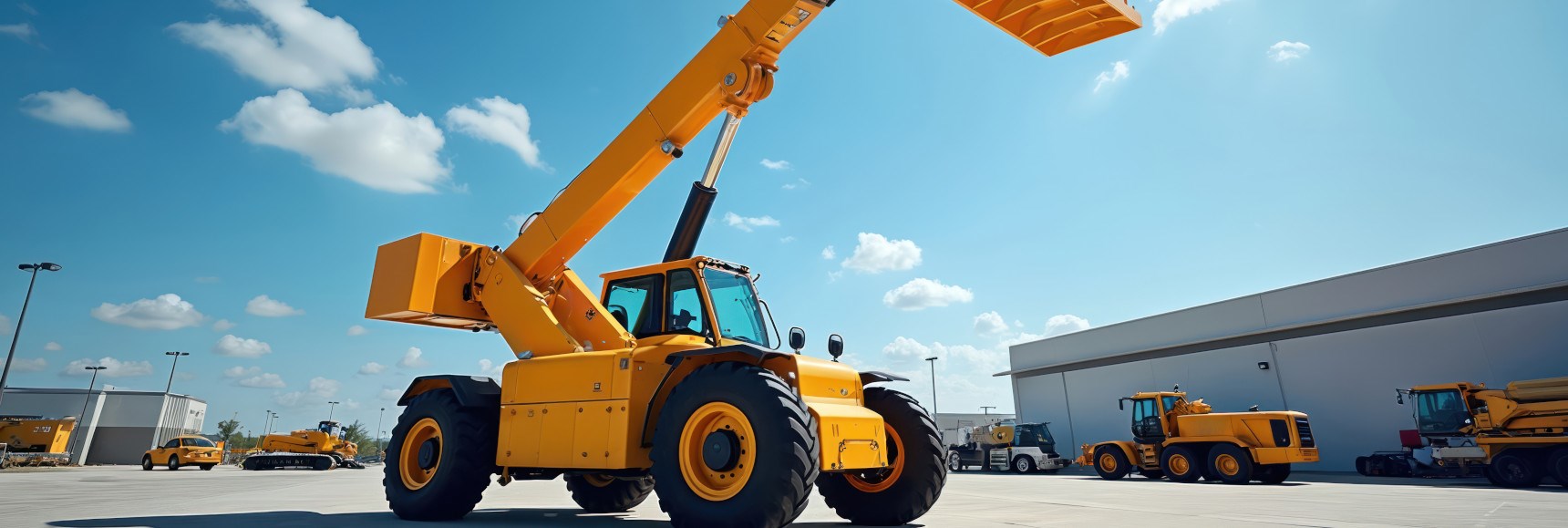
This type provides extended horizontal and vertical reach. Telescopic booms are typically selected for outdoor applications, including construction sites and areas with broad working envelopes.
Vertical Personnel Lifts
Compact and lightweight, vertical personnel lifts support simpler indoor maintenance tasks. They are easy to transport and positioned well for single-person operations.
Renting a manlift instead of purchasing one provides flexibility and helps manage operational costs. The financial and logistical benefits are often significant, particularly for companies whose access needs fluctuate throughout the year.
Key advantages include:
-
Cost control – Payment is limited to actual usage periods, which helps manage budgets in a predictable way.
-
No maintenance burden – Repairs, servicing, and routine checks remain the responsibility of the rental provider.
-
Wide equipment selection – Many companies maintain diverse fleets with different sizes, capacities, and height ranges.
-
Fast availability – A broad supply network allows companies to deliver equipment on relatively short notice.
While these points may appear straightforward, they shape most procurement decisions in access-related operations.
Selecting the right manlift involves more than comparing equipment prices. Factors such as safety standards, certification, technical support, and equipment condition influence both productivity and risk levels.
1. Certifications and Licenses
Operators and equipment must meet applicable certification requirements. Confirm that the rental company provides machines that comply with the relevant operating standards in your region.
2. Equipment Condition
Inspecting or requesting recent maintenance records can help verify whether the unit is well-maintained. Newer or recently serviced machines generally provide more stable performance with fewer interruptions.
3. Compliance With Safety Regulations
Safety compliance is critical. Businesses should confirm that any manlift they intend to rent meets current regulations, including protective features, load capacity labeling, and operational control standards.
4. On-Site Technical Support
Support availability creates a practical difference in time-sensitive operations. Many companies offer on-site technicians or remote troubleshooting to reduce downtime in case of unexpected issues.
5. Customer Feedback and Service History
Reviews, case examples, or past project references offer additional insight into reliability and customer service quality. While this information is sometimes brief, it can indicate how consistently a provider supports its clients.
In Turkey, businesses have access to various manlift rental providers across different regions and operational fields. The structure of the rental market can be broadly categorized into three segments.
1. Nationwide Rental Companies
These companies operate branches in major cities such as Istanbul, Ankara, and Izmir. Their fleets are usually larger, with multiple equipment categories and extended height options. Larger providers tend to offer faster delivery and broader service coverage.
2. Regional Rental Companies
Regional rental providers focus on specific provinces or industrial zones. They typically offer competitive pricing and strong local familiarity, which may support faster response times within their operating area.
3. Industrial-Focused Rental Companies
Some providers specialize in industrial environments such as factories, production plants, and logistics centers. Their fleets often include equipment designed for continuous-use requirements, tighter operational spaces, or enhanced durability.
Each category has strengths depending on the client's operational structure, project scale, and work conditions.
Identifying the correct manlift depends on several practical details: ground condition, height requirement, horizontal reach, indoor or outdoor workflow, and expected duration of use. Below is a simple framework that helps narrow the decision.
1. Assess the Work Height and Reach
Determining the exact height requirement is essential. For tasks involving obstacles or recessed areas, articulated or telescopic boom lifts often perform better than scissor lifts.
2. Evaluate Ground Surface Conditions
Indoor environments with level surfaces pair well with scissor lifts or compact vertical lifts. Uneven outdoor areas may require rough-terrain scissor lifts or boom lifts with enhanced stabilization.
3. Consider Platform Capacity
The number of workers and tools affects platform load. Scissor lifts usually support higher platform capacity compared to other lift types.
4. Duration and Frequency of Use
For short-term projects, rental flexibility is a major advantage. For long-term industrial use, selecting a provider with strong service support becomes increasingly important.
Even though manlifts are engineered with built-in protective systems, safe operation still depends on proper preparation and adherence to guidelines.
Operator Familiarity
Operators should understand the machine’s controls, limitations, and emergency procedures. Short training refreshers can significantly reduce operational errors.
Environmental Assessment
Wind speeds, ground stability, overhead structures, and indoor clearance must be evaluated before setting up the lift.
Load Distribution
Tools and materials should be positioned to avoid excessive platform sway. Overloading compromises both stability and safety compliance.
Daily Inspection Routines
Most rental companies provide machines that are already inspected, but basic checks by the operator help catch minor issues before they escalate.
Reliable Access Solutions for Professional Operations
Working at height demands consistent safety practices and proper equipment selection. Choosing a qualified manlift rental provider supports efficiency and reduces operational risks. This manual outlines the essential considerations for selecting both the provider and the equipment, whether the rental is for a short maintenance task or a long-term industrial project.
1. What is the typical rental duration for a manlift?
Rental periods vary widely, but most companies offer daily, weekly, or monthly options depending on project needs.
2. Do operators need certification to use a manlift?
Yes. Operator certification is required in most regions. Rental companies usually request proof of training before releasing equipment.
3. Are manlifts suitable for outdoor use?
Many models are built for outdoor operation. Boom lifts and rough-terrain scissor lifts are commonly selected for outdoor surfaces.
4. How quickly can rental companies deliver equipment?
Delivery times depend on the supplier’s network, but large rental companies often provide same-day or next-day delivery.
5. What affects rental pricing the most?
Height capacity, equipment type, rental duration, and transportation distance are the primary factors.