Periodic Inspection Checklist for Lifting Equipment: What to Check Daily, Weekly, Monthly?
The breakdown of vehicles that transport tons of weight in logistics and production facilities not only creates operational downtime but also paves the way for irreversible occupational accidents. The only way to eliminate these risks, extend the economic life of the device, and keep warehouse equipment occupational safety standards at the highest level is to create a proactive (preventive) maintenance culture instead of reactive (post-breakdown) repairs. A correctly implemented lifting equipment periodic inspection routine dramatically reduces maintenance costs by detecting malfunctions while they are still at the micro-level. For the process to be managed transparently, a clear and applicable recording system to be carried out jointly by operators and the technical team is essential.
1. Daily Operator Checks (Pre-Shift)
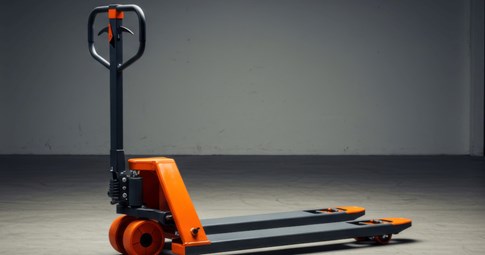
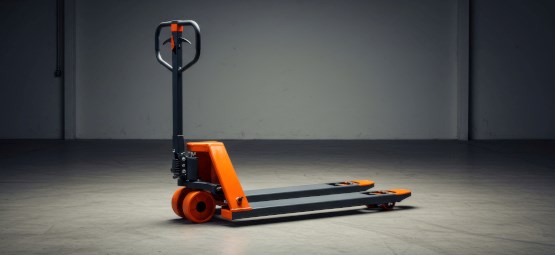
A quick 2-3 minute observation to be made by the operator before the shift starts prevents major disasters that may occur during the day. The pallet truck daily checklist and all other equipment checks, which should not be left to the operator's initiative, especially Paftar pallet truck models, should include the following basic steps:
-
Visual Damage and Crack Check: Is there any crushing, bending, or structural cracking on the chassis, forks, or outer covering remaining from the night shift?
-
Hydraulic Leak Detection: Is there any oil leak or hydraulic fluid dripping on the floor where the equipment is parked?
-
Wheel and Bearing Condition: Is there any stretch film, rope, or foreign matter accumulation on the wheels that will prevent travel? Have deep cracks formed on the polyurethane or nylon surface?
-
Brake and Safety Equipment: Does the emergency stop button work? Do electromagnetic brakes react instantly the moment the handle is released? Are the horn and warning lights active?
-
Unusual Noise and Vibration: Is there any clicking, friction, or abnormal vibration coming from the motor or wheel axle while the equipment is running empty or the forks are being lifted?
2. Weekly Technical Checks (In-Depth Inspection)
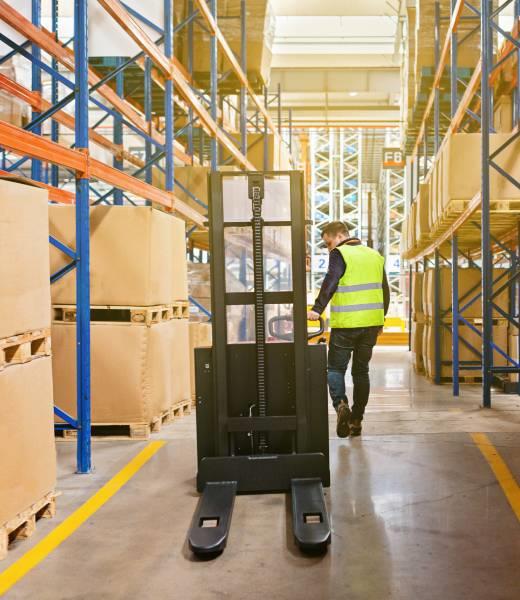
More detailed stacker maintenance check steps that must be performed once a week, preferably on a day when warehouse traffic is at its lowest, by the maintenance supervisor or an experienced operator are as follows:
-
Battery and Cable Connections: Are battery water levels (if lead-acid) at the ideal point? Is there any oxidation on the terminals or wear on the cables? For proper battery-powered equipment maintenance period management, you can follow the guidelines in our battery selection and maintenance guide for battery pallet trucks and stackers article.
-
Lifting Test (Loaded/Unloaded): Do the forks rise smoothly to the maximum height? Do the lowering valves provide a soft and controlled release?
-
Chain and Mast Lubrication: Is there any drying in the elevator towers (mast) and lifting chains? Has industrial grease been applied to the required points?
3. Monthly and Longer Period Maintenance
This stage covers the equipment safety check processes, generally carried out by technical service experts, certifying the overall engineering health of the machine. It is of vital importance, especially for Paftar stackers working at high altitudes and personnel lifting platform groups.
-
Warning Labels and Capacity Plates: Are the load diagram (derating table) and safety warnings on the machine still readable?
-
Hydraulic Oil Filter and Pressure Tests: Do the pressure values of the hydraulic system meet factory standards? Is the oil filter clean?
-
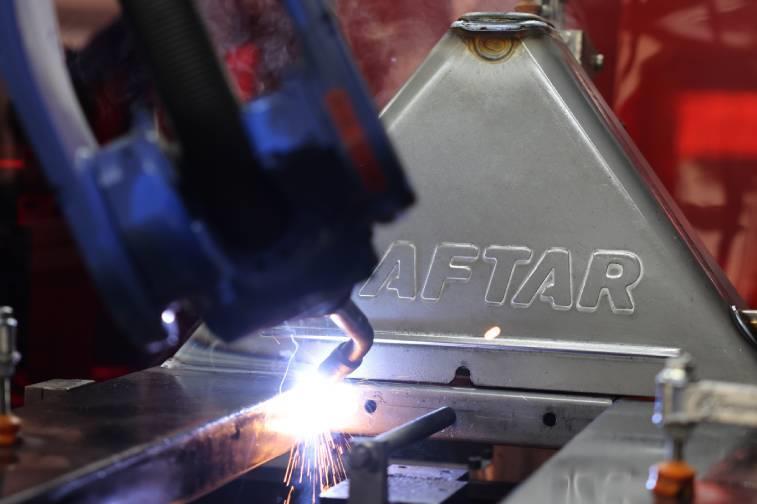
Fasteners and Chassis Damage: Signs of metal fatigue or micro-cracks in the carrier columns, bolts, and chassis welds are examined in detail.
-
Bearing and Bushing Check: Clearances in the travel and steering mechanism are checked, and worn mechanical parts are replaced with new ones. For the tricks of protecting the mechanical health of your machine, you can take a look at our content on effective methods to sustain your pallet truck long term.
4. Sample Periodic Inspection Checklist
You can create a standard inspection routine by hanging the table below on the boards in your warehouse or integrating it into your digital maintenance tracking systems.
|
Equipment to be Checked |
Daily (Operator) |
Weekly (Maintenance Team) |
Monthly (Technical Service) |
|
Wheels and Bearings |
Foreign matter and crack check |
Wear margin measurement |
Bearing lubrication and clearance test |
|
Hydraulic System |
Floor leak check |
Valve and hose observation |
Pressure test and filter cleaning |
|
Battery and Electrical Parts |
Charge status and plug check |
Terminal and cable inspection |
Capacity measurement and detailed cleaning |
|
Brake and Safety Installation |
Emergency stop and horn test |
Braking distance check |
Electromagnetic brake calibration |
|
Mast and Lifting Chain |
Abnormal sound check |
Visual stretching and lubrication |
Chain elongation tolerance measurement |
Remember; a completely implemented periodic maintenance procedure not only extends the life of your machines but also secures your employees, the most valuable asset of your business.