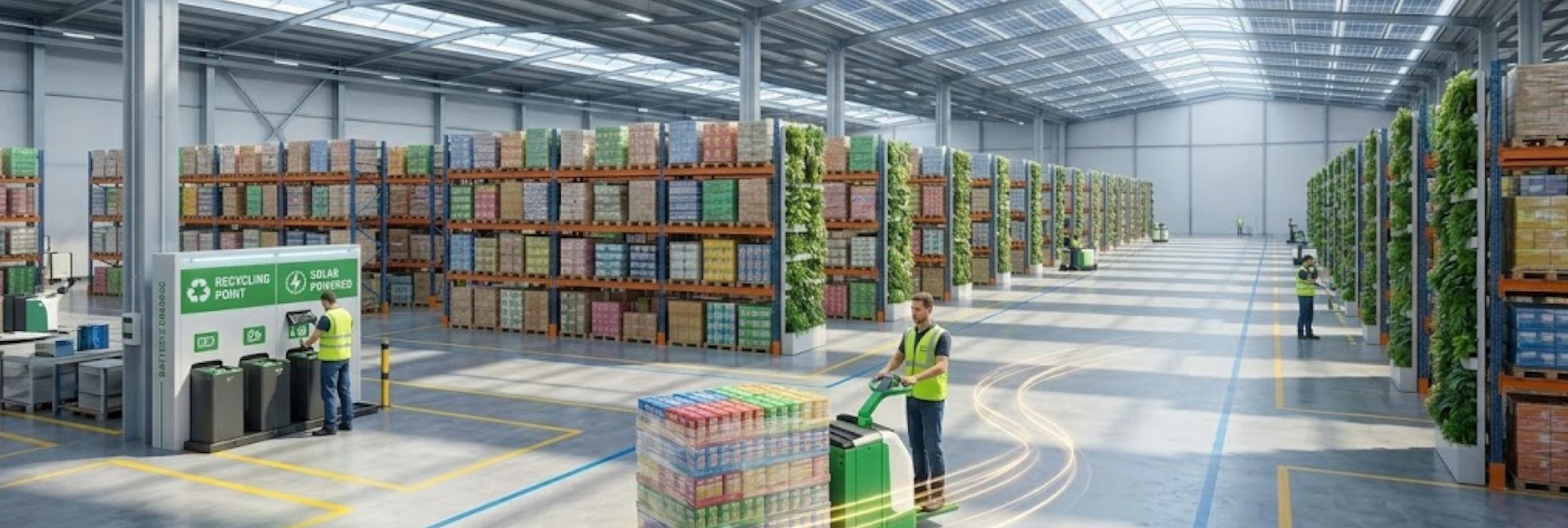
Transitioning to Electric Equipment: Is It Really Greener?
The global industrial and logistics sectors are undergoing a massive "green transformation." Many businesses are renewing their fleets with electric vehicles, promising to reduce their carbon footprint. However, a common question remains: Does the absence of an exhaust pipe really mean a machine is "eco-friendly," or is it just a clever marketing strategy?
The truth is that switching to a battery-powered pallet truck or stacker does more than just stop exhaust fumes; it fundamentally changes your warehouse ecosystem—from operational efficiency to waste management. Here is the real environmental balance sheet of the electric transition.
1. Zero Emissions at the Point of Use: Warehouse Air Quality
Unlike forklifts with internal combustion engines (diesel or LPG), electric equipment does not release carbon monoxide, nitrogen oxides, or particulate matter into the atmosphere during operation.
- Indoor Health: In areas where sensitive products like food, medicine, or textiles are stored, zero emissions prevent product contamination.
- Staff Well-being: A machine that operates silently and produces no fumes increases the working comfort of the personnel. The reduction in noise pollution is also a significant environmental gain.
To understand more deeply how this transition optimizes the carbon footprint in your facility, you can take a look at our green transformation with electric industrial equipment: guide to reducing carbon footprint in warehouses content.
2. Energy Efficiency: Beyond Manual, Far Ahead of Diesel
"The greenest energy is the energy not spent." While manual pallet trucks seem to consume no energy, the physical exhaustion of personnel in intensive operations leads to errors and delays. This extends operational processes, indirectly increasing the time the warehouse needs to be lit and heated.
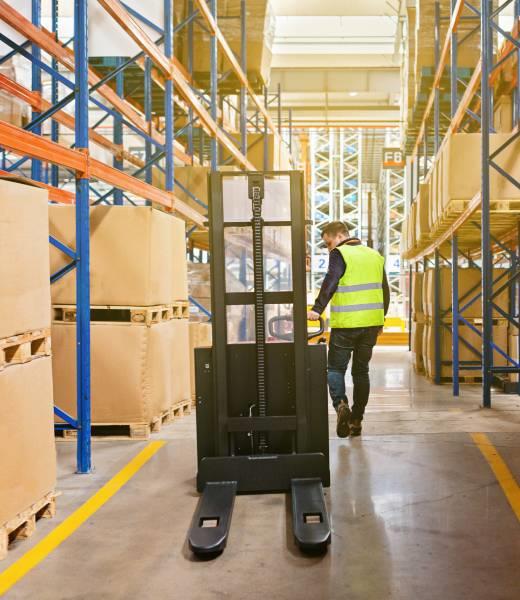
Electric models convert every unit of energy they consume into maximum kinetic power. For example, models like the ET20 Eco economic electric pallet truck offer high performance with low energy consumption, providing an "economic and ecological" balance. In more intensive and heavy-duty operations, high-capacity vehicles like the ET25ZF electric pallet truck can provide up to 70% energy savings compared to fossil-fuel alternatives.
3. Battery Technologies and Circular Economy
The part of electric vehicles that often seems the "least green" is battery production. However, this situation is changing rapidly today:
- Recyclability: Industrial lead-acid batteries are over 90% recyclable. This is a prime example of a circular economy that reduces the need for raw materials.
- The Lithium-Ion Revolution: Longer-lasting and faster-charging Li-ion batteries minimize waste generation by reducing the frequency of battery replacement.
- Renewable Energy Integration: If your warehouse has solar panels on the roof, you can establish a "fully green" operation by charging your equipment directly with energy coming from the sun.
4. Conclusion: Is It Truly Greener?
Yes. Transitioning to electric equipment is not just about getting rid of the exhaust pipe; it is about building a quieter, cleaner, and more energy-efficient facility. When a total life-cycle analysis is performed, electric machines amortize the carbon load from their production stage within a few months through their high efficiency in operational processes.