What Determines Electric Stacker Prices?
In industrial storage processes, electric stacker prices, which vary depending on basic parameters such as lifting height and load capacity, as well as technological equipment and material quality, require a detailed analysis to understand the technical reasons for the wide price range encountered during the initial investment. Price differences are based on the quality of components used. Motor power directly affects the cost. Chassis thickness changes the price. Certified products offer high safety standards. The right choice determines operational speed.
As the lifting height increases, changes in engineering details such as the strength of the steel profile used in the mast system and the pressure capacity of the hydraulic unit are among the main factors that directly trigger the production cost and the sales price. As capacity increases, the chassis structure expands. Counterweights are added as height increases. Electric stacker prices vary from 1.6 meters to 5.5 meters. As tonnage increases, pump motor power rises. Selecting duplex or triplex masts changes the cost.
Pricing energy storage systems based on operational efficiency criteria such as cycle life, charging speed, and maintenance needs creates a significant budget difference between traditional gel battery systems and new-generation lithium technology. Lithium-powered models are more expensive. This technology does not require daily maintenance. Gel battery models offer an economical start. Lithium batteries provide fast charging. Battery life affects the total cost.
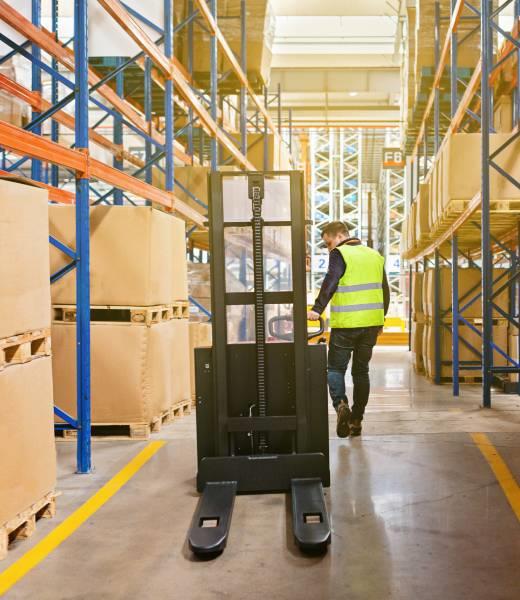
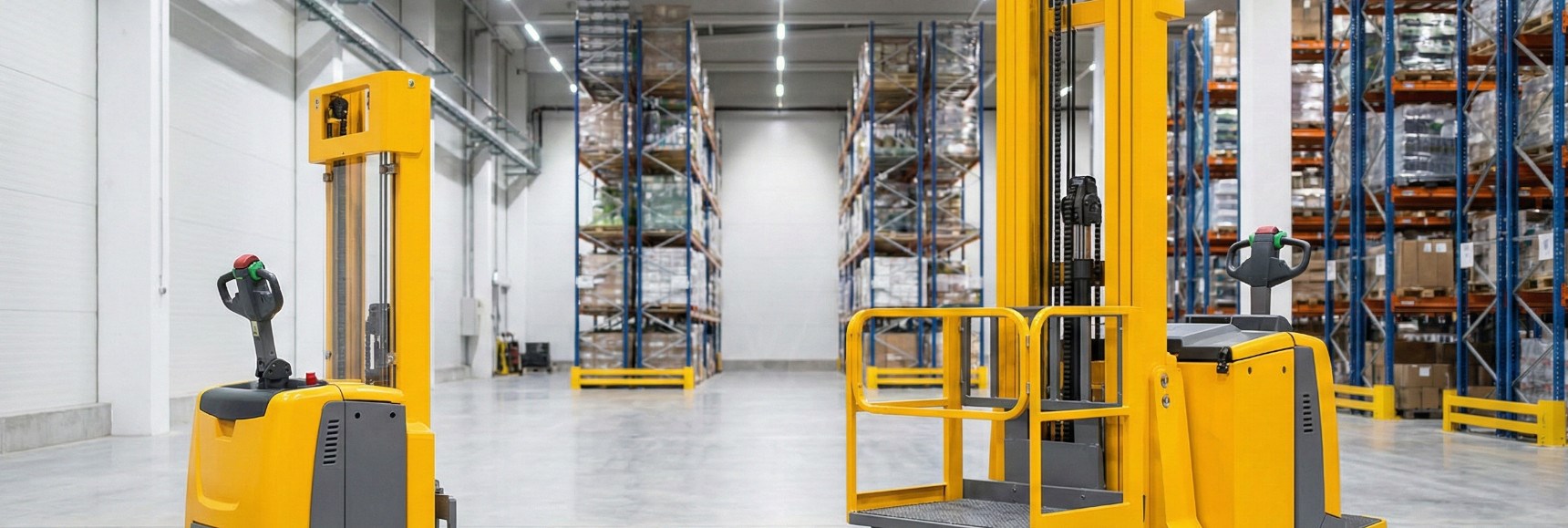
Hardware differences such as gearbox structure, drive motor power, and added safety sensors between pedestrian-controlled models and platform models determine the price tag. Pedestrian models are suitable for tight spaces. Platform models increase long-distance transport speed. Stacker speed varies by motor type. EPS (Electric Power Steering) systems affect comfort and price.
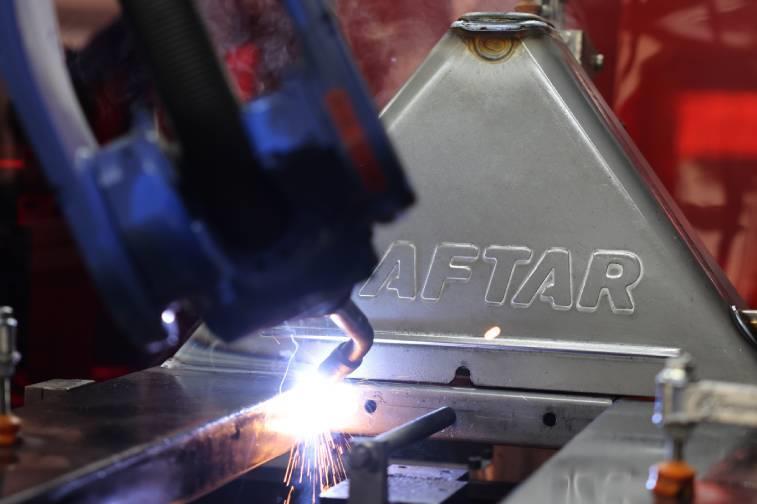
Instead of focusing only on the purchase price, financial analyses that calculate energy consumption, service costs, spare parts availability, and operator efficiency over the machine's life reveal that equipment appearing affordable initially may actually create higher expenses. Maintenance costs should be included in the price. Efficiency loss is a hidden cost. Paftar products require low service. Energy saving protects the budget in the long run. High-quality components reduce downtime.