Why Extending Battery Life is Not Just a Cost Issue, but an Environmental One
In the logistics and warehousing sector, efficiency calculations are usually based on financial statements. When calculating the total cost of ownership (TCO) of a stacker or a pallet truck, energy consumption and spare part expenses take the first place. However, in today's modern supply chain understanding, there is a much more critical side to the coin: Environmental sustainability.
Proper battery management saves your business from thousands of dollars in premature replacement costs every year, while simultaneously protecting our planet from a massive industrial waste burden and carbon emissions. Let's take a closer look at why extending battery life is not just a budget-friendly move, but also an eco-friendly "green logistics" strategy.
2. The Waste Management Crisis of Prematurely Scrapped Batteries
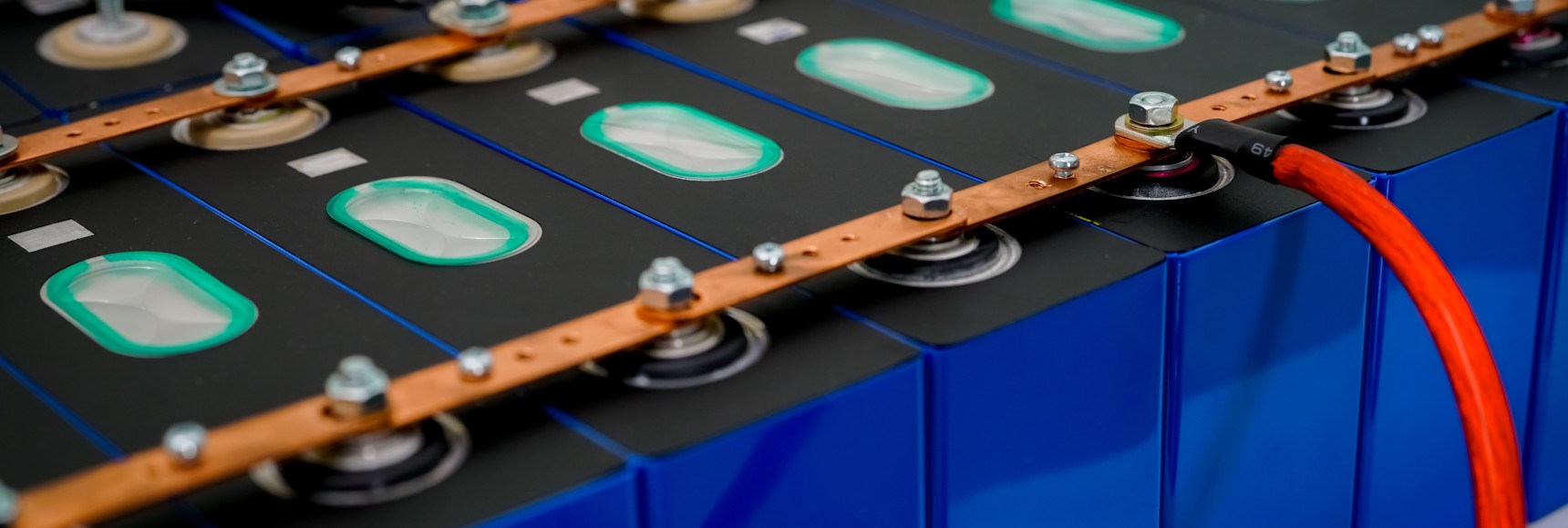
Lead-acid batteries are over 90% recyclable, which is a great statistic for the environment. However, there is an overlooked detail here: The recycling process itself is an energy-intensive industrial activity. Every battery that "dies" prematurely due to user errors such as incorrect charging, running dry, or deep discharge and is sent to the recycling facility causes extra energy to be consumed for melting and separation processes. Moreover, transporting and processing hazardous chemicals like lead and sulfuric acid always carry the risk of environmental accidents (spills, etc.). The longer you keep your battery intact and working in your warehouse, the more you slow down this risky and energy-intensive cycle.
3. The Solution for a Sustainable (Green) Warehouse: Proactive Maintenance
The way to protect nature is to approach the energy sources in your machinery park not as "disposable batteries" but as "valuable assets to be protected." Simply changing your daily habits is enough for a green warehouse operation.
-
Conscious Charging Habits: Avoiding opportunity charging, not plugging the battery in before it drops to 20%, and not unplugging it before the charge is complete (for lead-acid and gel) protects the chemical structure of the battery cells.
-
Temperature and Humidity Control: The internal resistance of batteries operated or charged in extreme heat increases, cutting their lifespan in half. Storage and charging areas must be cool and well-ventilated.
-
Regular Addition of Pure Water: In flooded batteries, adding water regularly after charging prevents sulfation and keeps the battery from dying prematurely.
To get comprehensive information about the detailed technical field applications and standards of these eco-friendly steps, you can share our spare parts and battery life: proper charging, storage, and maintenance guide with your operational teams.
4. Investing in the Future: A Larger Green Transformation
Optimizing battery maintenance is just the first step of a sustainable operation. True efficiency begins at the intersection of operational speed and environmental awareness. If you want to restructure all operations in your warehouse with an eco-friendly approach, discover the strategic advantages of moving away from fossil fuels, and reduce the overall emission rate of your facility, you should definitely review our article titled green transformation with electric industrial equipment: guide to reducing carbon footprint in warehouses.
In summary; properly maintaining the battery in your pallet truck doesn't just save your company a spare parts budget. It also ensures less ore is mined, factories emit less carbon, and the amount of hazardous waste is reduced.