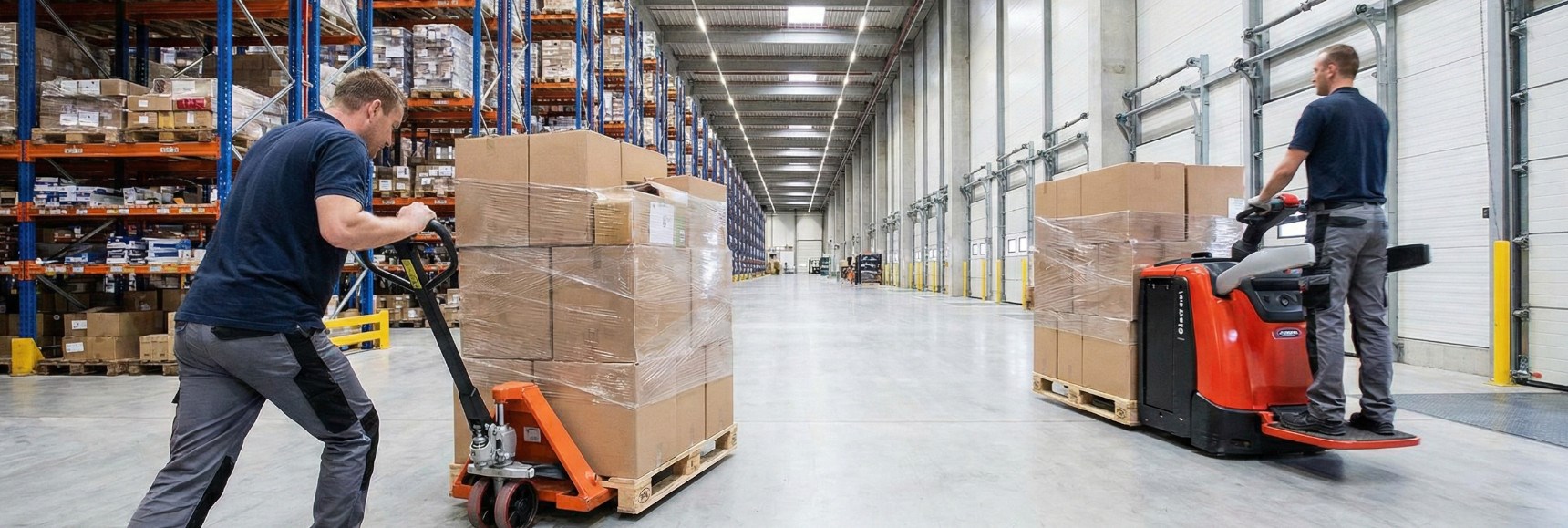
7 Critical Technical Criteria for Selecting a 2.5 Ton Pallet Truck
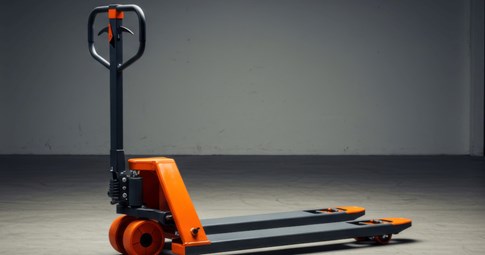
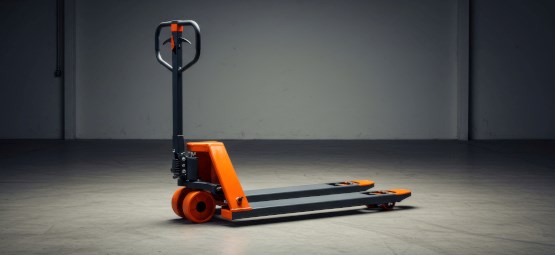
The correct equipment determines efficiency in warehouse logistics operations. 2.5 ton pallet truck models are standard for pallet transport processes. They carry the load for both medium-sized businesses and large distribution centers. Choosing the wrong equipment leads to time loss in operations and high maintenance costs in the long run. Focus on technical data, material quality, and operational suitability rather than aesthetics during the purchasing phase.
We analyzed the technical details to help you make the right decision among hundreds of options.
Equipment in industrial environments faces constant impact. Steel quality and chassis thickness determine the lifespan of a pallet truck. Standard models typically use 3mm or 3.5mm steel. However, warehouses with intensive shifts should prefer reinforced steel chassis with high torsion resistance.
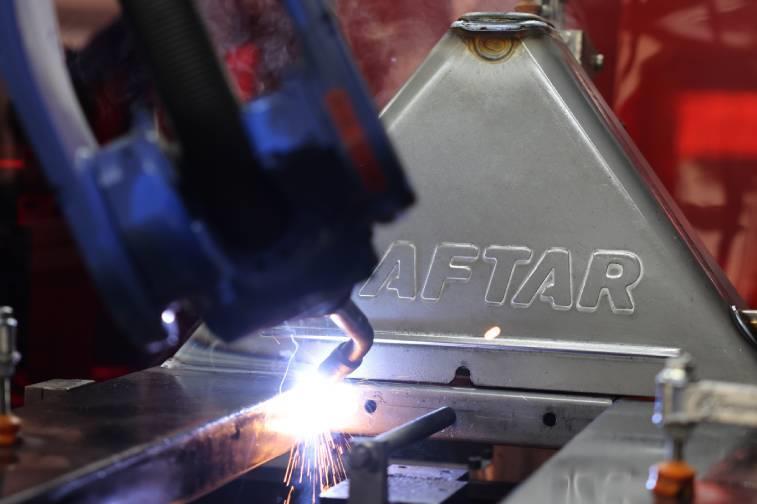
Welding quality affects the chassis behavior under load. Bodies produced with robotic welding technology feel like a single cast piece and balance load distribution. Paint quality is also critical for corrosion resistance. Powder coating delays rusting in humid warehouse environments.
The floor structure directly dictates wheel selection. Wrong wheel choice damages the floor and forces the operator to exert more effort.
-
Polyurethane (PU) Wheels: Ideal for epoxy, concrete, or delicate surfaces. They work quietly, do not mark the floor, and absorb shocks. Low friction resistance makes movement easier.
-
Polyamide (Nylon) Wheels: Used on rough, uneven floors or environments with chemicals. Their hard structure resists wear but operates noisily.
-
Rubber Wheels: Dampen vibrations outdoors or on very uneven surfaces.
The hydraulic pump is the heart of the pallet truck. Lifting performance and sealing depend on the pump's internal structure. Cast pumps resist pressure better than sheet metal pumps.
The quality of seals inside the pump prevents oil leaks. Galvanized cast pumps work for years in harsh conditions without corrosion. The precision of the lowering valve on the pump handle ensures the load is placed on the ground in a controlled and safe manner.
The most common pallet type in Turkey and European markets is the 80x120 cm Euro Pallet. The standard 2.5 ton pallet truck fork dimensions for these pallets are 1150 mm length and 540 mm outer width.
Evaluate narrow or wide chassis options for different pallet sizes or special loads (such as printing rolls or wide crates). Entry/exit rollers at the fork tips prevent wooden pallets from breaking during entry and speed up movement.
Operator efficiency correlates with equipment ergonomics. The steering handle rotation angle (usually between 180° - 210°) increases maneuverability in narrow aisles.
The handle coating should prevent the operator's hands from getting cold in cold storage during winter. Rubber-coated handles improve grip control. The three-position control lever (Lift, Neutral, Lower) should allow the operator to manage all functions with finger movements.
All industrial equipment requires periodic maintenance. Accessible grease points make lubricating bearings and moving parts easy.
Check the brand's spare parts inventory before purchasing. Quick access to consumables like wheels, bearings, or seal kits prevents operational downtime. Paftar guarantees operational continuity with a large spare parts stock for all product groups.
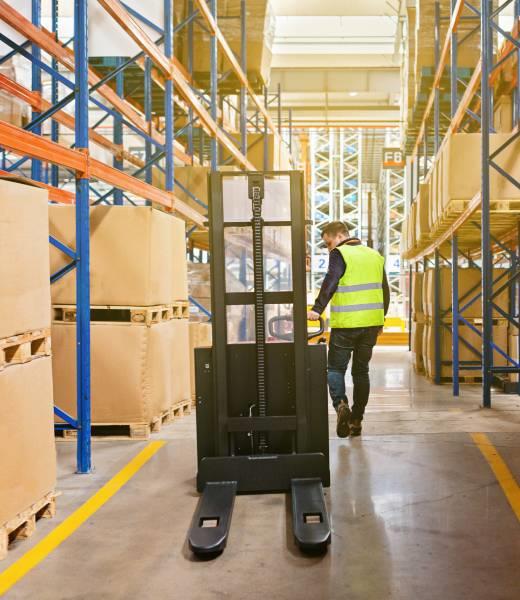
Using manual power becomes inefficient as warehouse distances increase. Consider electric models instead of manual pallet trucks for transport distances over 50 meters. Budget planning plays a role here.
Electric pallet truck prices require a higher initial investment compared to manual models. However, the investment return time shortens by reducing operator fatigue and increasing transport speed. Semi-electric models offer a transition solution between manual and fully electric options.
Manual 2.5 ton pallet truck models are logical for businesses with budget constraints in terms of price-performance. Fully electric lithium battery models save on personnel costs in intensive shifts. When researching electric pallet truck price, look at variables like battery life and charging time, not just the tag.
Comparison Table: Pallet Truck Selection by Operation Type
The table below shows which technology suits your business for 2.5-ton loads:
|
Feature |
Manual Pallet Truck |
Semi-Electric Pallet Truck |
Fully Electric (Li-Ion) |
|
Lifting Power |
Manual (Arm force) |
Electric |
Electric |
|
Driving Power |
Manual (Push/Pull) |
Electric |
Electric |
|
Operator Effort |
High |
Medium |
Low |
|
Maintenance Cost |
Low |
Medium |
Medium |
|
Investment Cost |
Economic |
Mid-Level |
High |
|
Ideal Distance |
0 - 30 Meters |
30 - 100 Meters |
100+ Meters |
|
Shift Suitability |
Single Shift |
Single/Double Shift |
Multi-Shift |
The right equipment investment is the most important variable accelerating workflow in warehouse and logistics processes. A choice made by analyzing floor structure, daily pallet count, and working distance lowers operating costs. The wide product range offered by Paftar includes technical solutions specific to different industrial needs. You can get technical support from our expert team to lighten your load and optimize your processes.