How Magnetic Lifters Simplify Sheet Metal Handling?
In heavy industrial production facilities and steel construction workshops, the relocation operations of metal plates or raw steel blocks weighing tons are transforming into a much more efficient workflow thanks to devices equipped with high-flux neodymium magnet technology that eliminates physical risks and time losses created by traditional slinging methods. This technology minimizes the physical contact of the operator during the lifting process. Magnetic lifter equipment attaches directly to the surface. It requires no external power source. Operational speed reaches maximum levels. The safety of the workshop increases significantly.
- Working Principle of Neodymium Magnetic Lifters
- Relationship Between Sheet Thickness and Lifting Capacity
- Safety Coefficients and Locking Mechanisms
- Usage Areas: Laser Cutting and CNC Loading
- Paftar Solutions: Integrated Lifting Systems
- Magnetic Lifter vs. Classic Hook and Chain Comparison
- Technical Selection and Operator Comfort
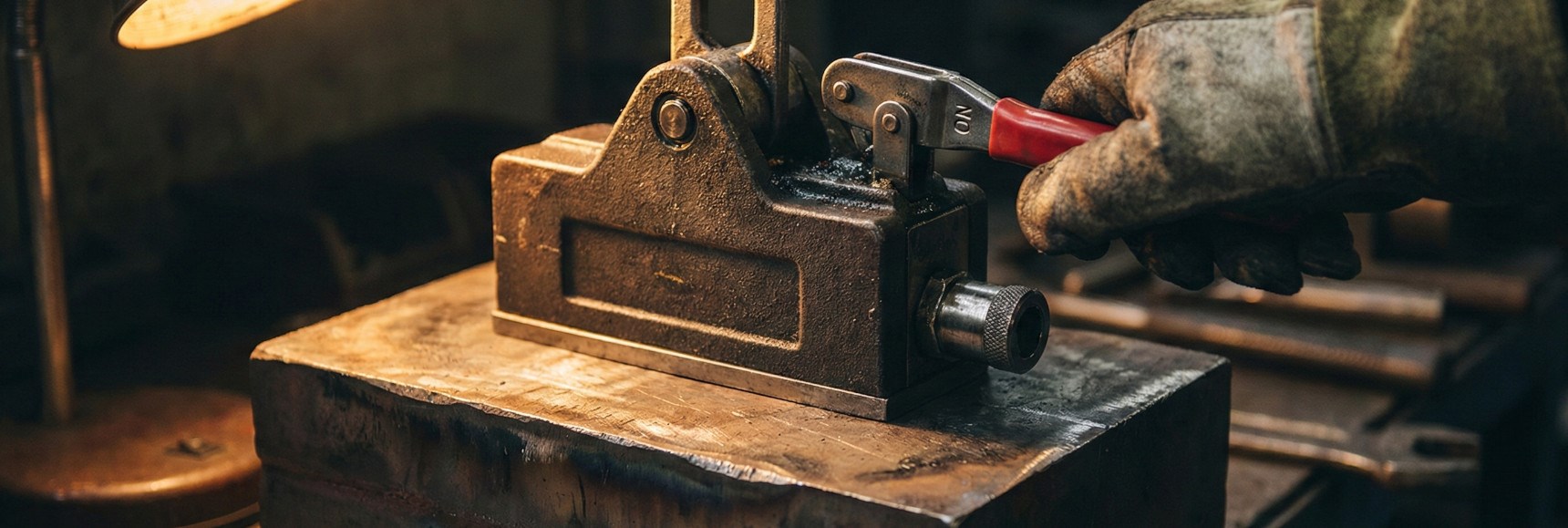
When examining the engineering details of permanent magnet systems that do not require energy consumption, it is seen that neodymium blocks inside the device work on the principle of changing the direction of the magnetic flux via a rotating rotor mechanism, thus providing a grip with high pulling force entirely independent of risks like power outages. Turning the lever on the mechanism activates the magnetic field. Neodymium magnetic lifter models lock onto the surface this way. The strong attraction force grips the metal mass. The operator manages control via the lever. The magnetic field stays inside the chassis when the device is off.
Energy-Free Power Source and Efficiency
The absence of a mandatory external power line among the advantages offered by magnet technology eliminates occupational safety risks arising from cable clutter and provides an environmentally friendly solution that optimizes long-term operational expenses by zeroing energy costs. The device is suitable for use in every environment. A power failure does not stop the work. Maintenance costs are very low. Periodic inspection of mechanical parts is sufficient.
The direct proportion between the thickness of the steel plate to be transported and the magnetic flux conduction capacity of the material, combined with technical variables such as air gap factors and surface roughness, constitutes the most critical engineering parameter determining the actual performance of the device to ensure the full utilization of the nominal capacity. Magnetic flux cannot reach saturation in thin sheets. This situation reduces the capacity. One must examine load diagrams when buying a magnetic lifting device. Pulling force maximizes as plate thickness increases. Holding power decreases if the air gap increases.
Air Gap Factor and Surface Roughness
The insulation effect created by microscopic gaps between the metal surface and the magnet base, or foreign substances such as rust, paint, and dirt on the surface, prevents the magnetic circuit from being fully completed and leads to a dramatic decrease in the pulling power of the device, making surface preparation vital for operational safety. The surface must be clean. Smooth surfaces offer the highest capacity. Capacity reduction must be calculated on rusty surfaces. The operator starts the process by checking the surface.
Safety coefficients such as 3:1 or 3.5:1, which are of great importance regarding the compliance of industrial lifting equipment with international standards, represent testing processes that guarantee the device will not experience mechanical failure even under loads three times its declared capacity, while providing technical assurance against accident risks for the enterprise. The safety lock on the magnetic lifter prevents accidental closing. The magnet cannot deactivate while the load is in the air. Test certificates are provided with every device. Periodic inspections are performed based on this data. Steel plate handling operations are standardized this way.
What Does the 3:1 Safety Test Mean?
The process of testing the carrying capacity written on the label of the device with three times the load in a laboratory environment is an engineering safety margin developed to meet the fatigue pay of the material and unpredictable dynamic loads in the working environment. A device with a 1000 kg capacity is tested with 3000 kg. This margin tolerates operator errors. Working within safety limits is essential. Uncertified products carry high risks.
In the feeding processes of laser cutting machines or the placement of heavy molds into CNC machining centers, magnetic solutions offer high maneuverability in narrow spaces where manual slinging is impossible, allowing the material to be gripped directly from the top surface instead of the edges, thus increasing machine efficiency and precise placement opportunities. The sheet metal lifting magnet allows the operator to work alone. Material edges are not damaged. Scratch risk is minimized. Order increases in storage areas. Time management is optimized.
Speed in Storage Areas and Tool Rooms
The process of separating and lifting a single plate from rack systems or stacked plates risks damaging the lower plates when done with mechanical hooks, while magnetic systems focus only on the top part to ensure the error-free completion of the operation. There is no need to leave gaps between plates. Storage space can be used more densely. Operator fatigue decreases. The workflow is not interrupted.
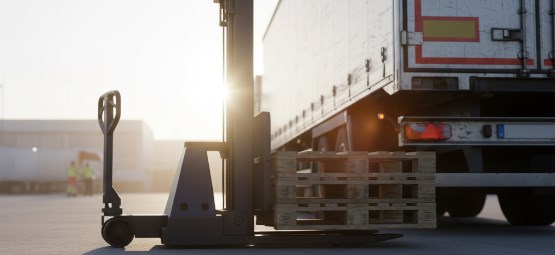
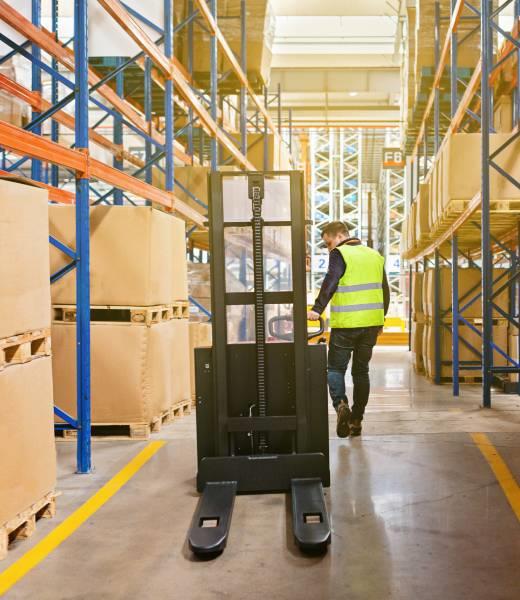
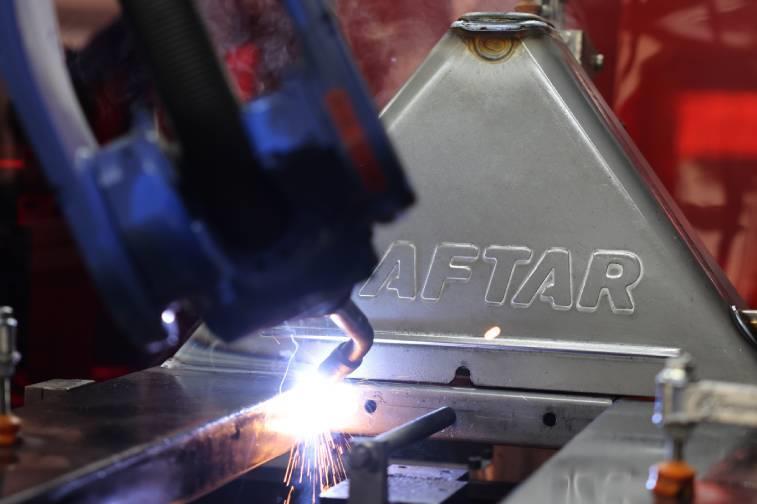
Advocating that the logistics flow within the enterprise should be optimized not only from one point but from all processes, the Paftar approach offers a wide technical equipment pool that allows magnetic devices to be operated in harmony with overhead cranes or jib crane systems, as well as stackers and pallet truck groups. Magnetic lifter products are compatible with other Paftar products. Warehouse management becomes easier. Heavy parts can be moved to every point. Technical support is under Paftar assurance. Operational needs are met from a single source.
|
Comparison Criteria |
Magnetic Lifter |
Classic Hook / Chain / Sling |
|
Operational Speed |
Very High (Grip in seconds) |
Low (Requires slinging and tying) |
|
Labor Requirement |
Single Operator |
At least 2 Personnel |
|
Material Damage |
None (Does not damage surface) |
High (Scratches and crushing at edges) |
|
Work Safety |
High (Safety lock and coefficients) |
Medium (Sling break or slip risk) |
|
Energy Need |
None (Permanent magnet) |
None (Manual slinging) |
|
Loading Precision |
Millimetric (Top-grip advantage) |
Low (Side-tying constraint) |
Choosing ergonomic solutions that reduce back pain complaints and physical wear of the operator instead of just focusing on capacity when selecting equipment for sheet metal processing increases personnel productivity in the long run while minimizing compensation and downtime costs arising from work accidents. Magnetic lifter use reduces physical effort. Bending and twisting movements decrease. Personnel motivation rises. A safer workshop environment is created. This technology is a productivity project.
In the industrial world, time is the greatest cost. Using the right equipment in sheet metal and steel block transport processes allows managing this cost. Steel plate handling magnets eliminate the clumsiness created by traditional methods. Solutions offered with Paftar quality provide tested data. The return on investment is very fast. You can prepare your business for the future with Paftar technologies.