How to Get a Forklift License? Step-by-Step Operator Guide
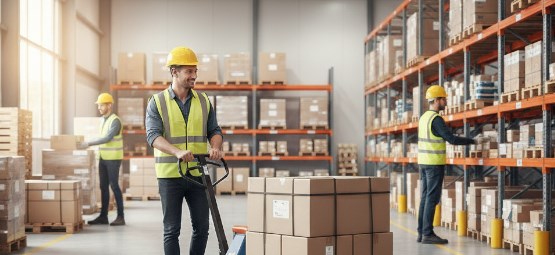
The growth of logistics, storage, and industrial sectors has increased the need for a skilled workforce. At the center of this need is the forklift operator. Operators who safely lift tons of load, place them on racks, and prepare them for shipment are key personnel in the supply chain. However, practical knowledge is not enough to do this job; a forklift license (Operator Certificate) is a legal requirement.
In this guide, we examined all the details, from the application process to forklift operator salary expectations, and other warehouse equipment an operator should know.
Although generally known as a "Forklift License," the process consists of two stages:
- Forklift Operator Certificate: It is the certificate obtained after training and exams from Ministry of National Education (MoNE) approved courses. With this document, you can use forklifts in closed-traffic areas (warehouses, factory sites).
- G Class License: It is the registration of the operator certificate onto the driver's license with the "G Class" code through the Registry Office. This process is mandatory if you drive the forklift on public roads.
Before registering for a forklift license course, you must meet the following legal criteria:
- Age Limit: Must be over 18 years old.
- Education: Must be at least a primary school graduate (Diploma submission is mandatory).
- Health Report: Obtaining a health report stating "Fit to be a G Class Driver" or "Can Operate Construction Machinery".
- Criminal Record: No criminal record that prevents obtaining a driver's license.
The answer to the question how to get a forklift license consists of 4 basic steps:
Step 1: Registration to Approved Course
Application is made to driving schools or construction machinery courses. It is essential that the course is authorized by the Ministry.
Step 2: Theoretical and Practical Training
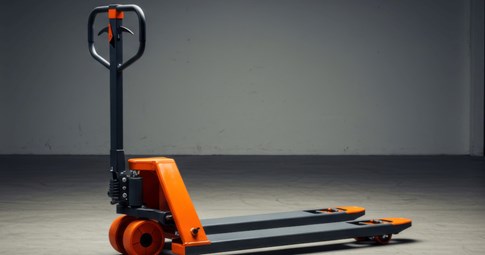
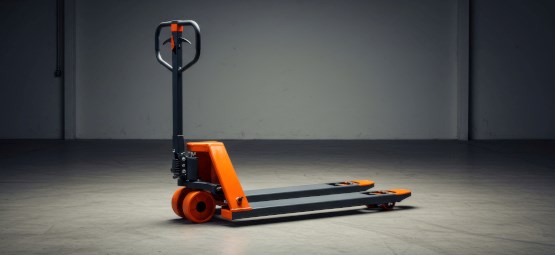
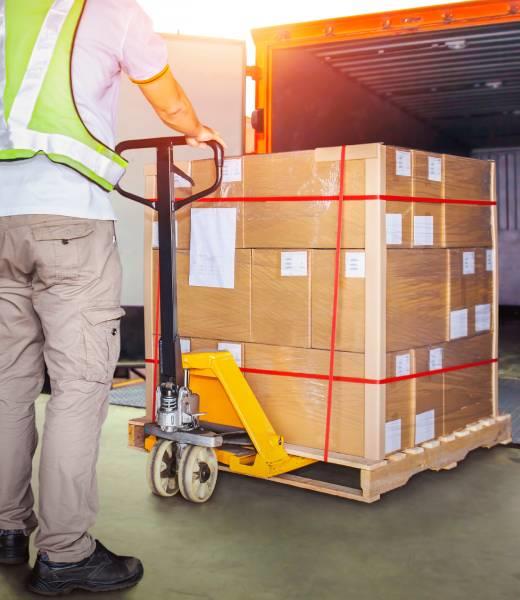
Candidates take lessons on engine knowledge, traffic rules, and occupational safety. In practical training, machine dominance is taught. A professional operator learns not only the forklift but also the working principles of complementary equipment such as electric pallet trucks or stackers used in narrow spaces during this process.
Step 3: Exam Process
At the end of the training, a two-stage exam is held under supervision:
- Written Exam: Consists of 50 questions, passing score is 70.
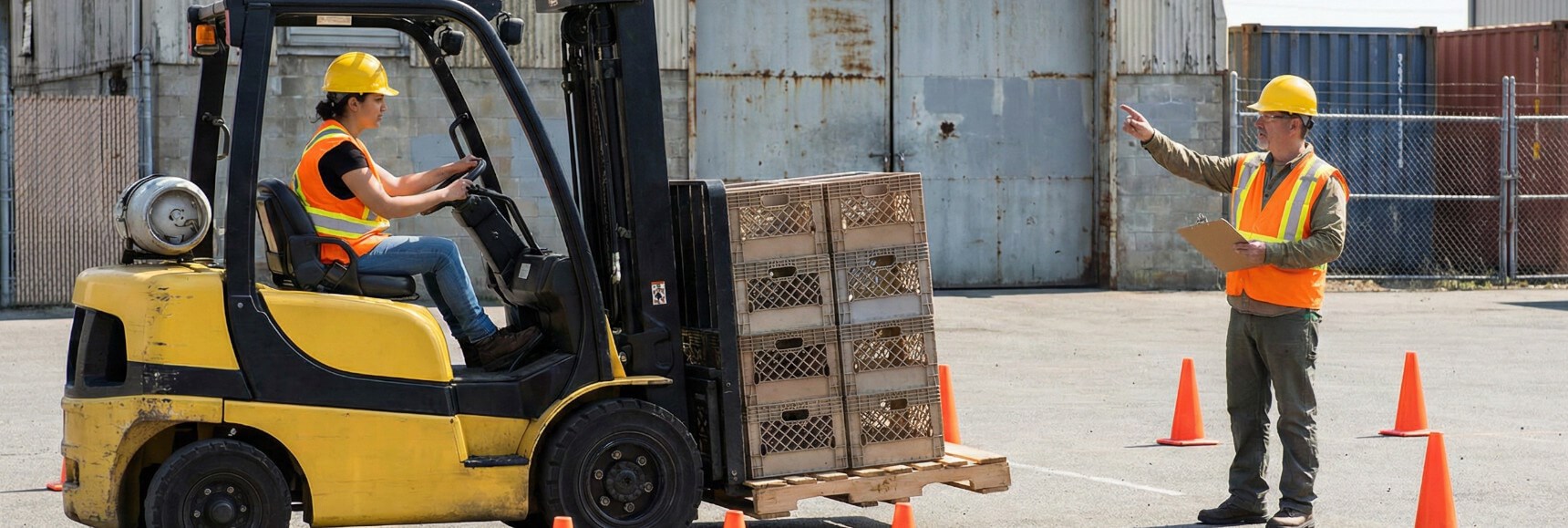
- Steering Exam: The candidate is asked to pick up a palletized load, transport it, stack it, and park.
Step 4: Certification and Registration
Those who pass the exam are entitled to receive a forklift operator certificate. With this document, the license registration process (G Class) is completed by applying to the Registry Office.
Demand for experienced operators is high in the sector. The forklift operator salary scale varies according to experience, the sector worked in (port, cold storage, construction site), and the type of machine used.
The most important factor affecting salary is "equipment competence." Instead of personnel who only use forklifts; versatile operators who can set up machine skates for heavy machine transport or manage beam trolley systems for overhead cranes are more preferred by businesses.
Although the forklift is the king of the warehouse world, it is not the right tool for every job. A professional operator knows which equipment to use for which load for efficiency:
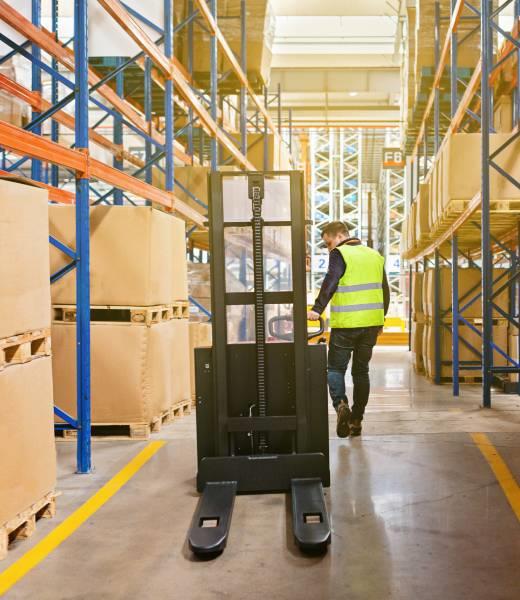
- Narrow Aisles: In rack aisles where the forklift cannot turn, a battery-powered stacker should be preferred.
- Transfer Between Floors: In places where there is no freight elevator, a load platform is a safe alternative.
- Engine/Mold Change: Using an electric mini crane instead of a forklift while moving heavy engine blocks inside the factory increases work safety.
Getting a forklift license is the first step into the profession. However, true expertise is selecting the right equipment according to the type of load and managing the operation safely. Paftar is the solution partner of your logistics processes with its wide product range and technical knowledge that makes operators' jobs easier. Complying with occupational safety rules and using the right equipment is as vital a necessity as the license.